
Cenote Azul
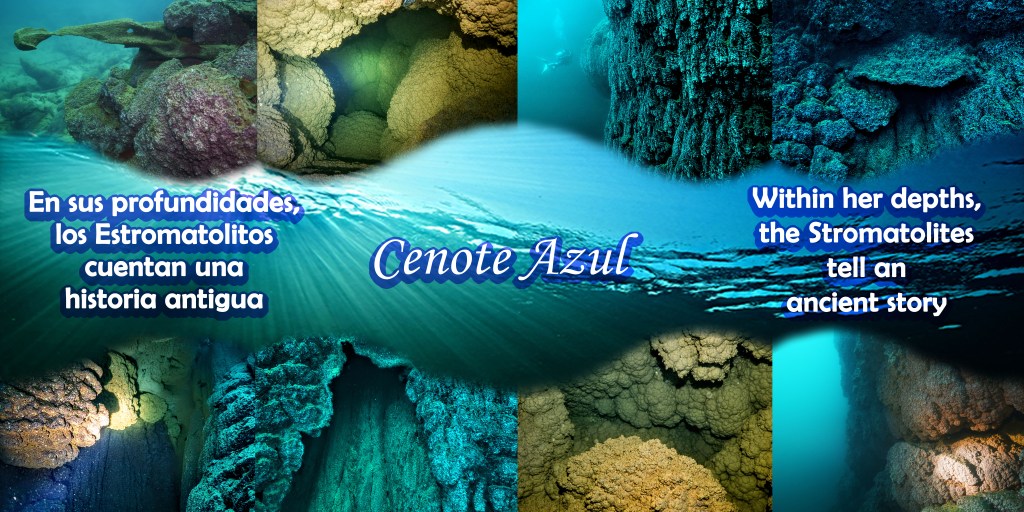
En sus profundidades, los Estromatolitos cuentan una historia antigua
* * *
In her depths, the Stromatolites tell and ancient story
***English Below***
Cenote Azul es una joya única, hogar de vida antigua, y merece ser tratado con el más profundo respeto.
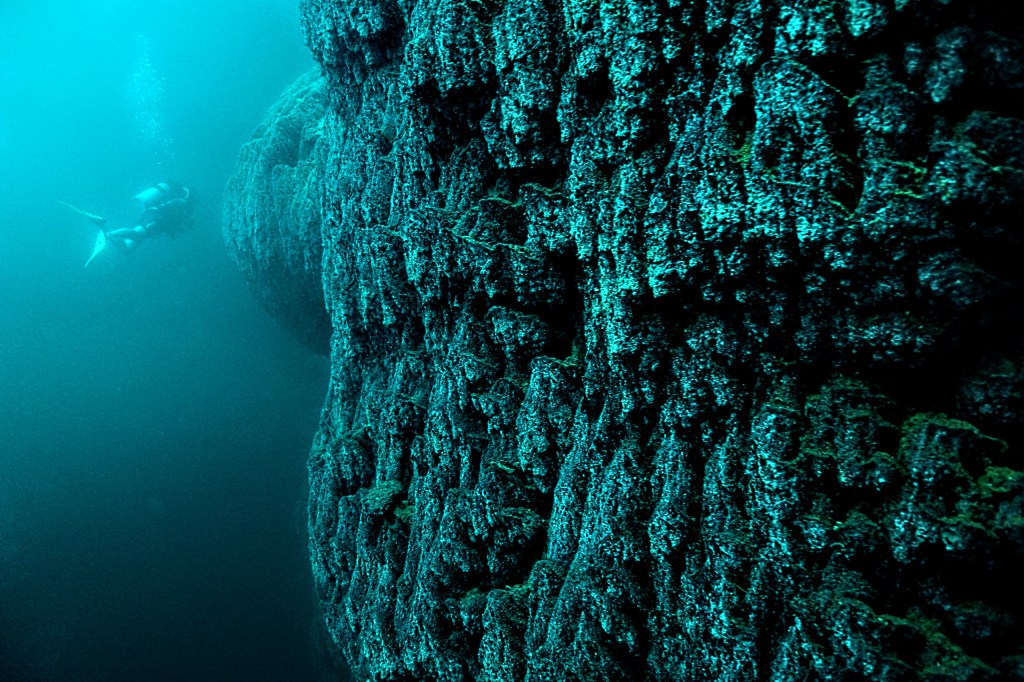
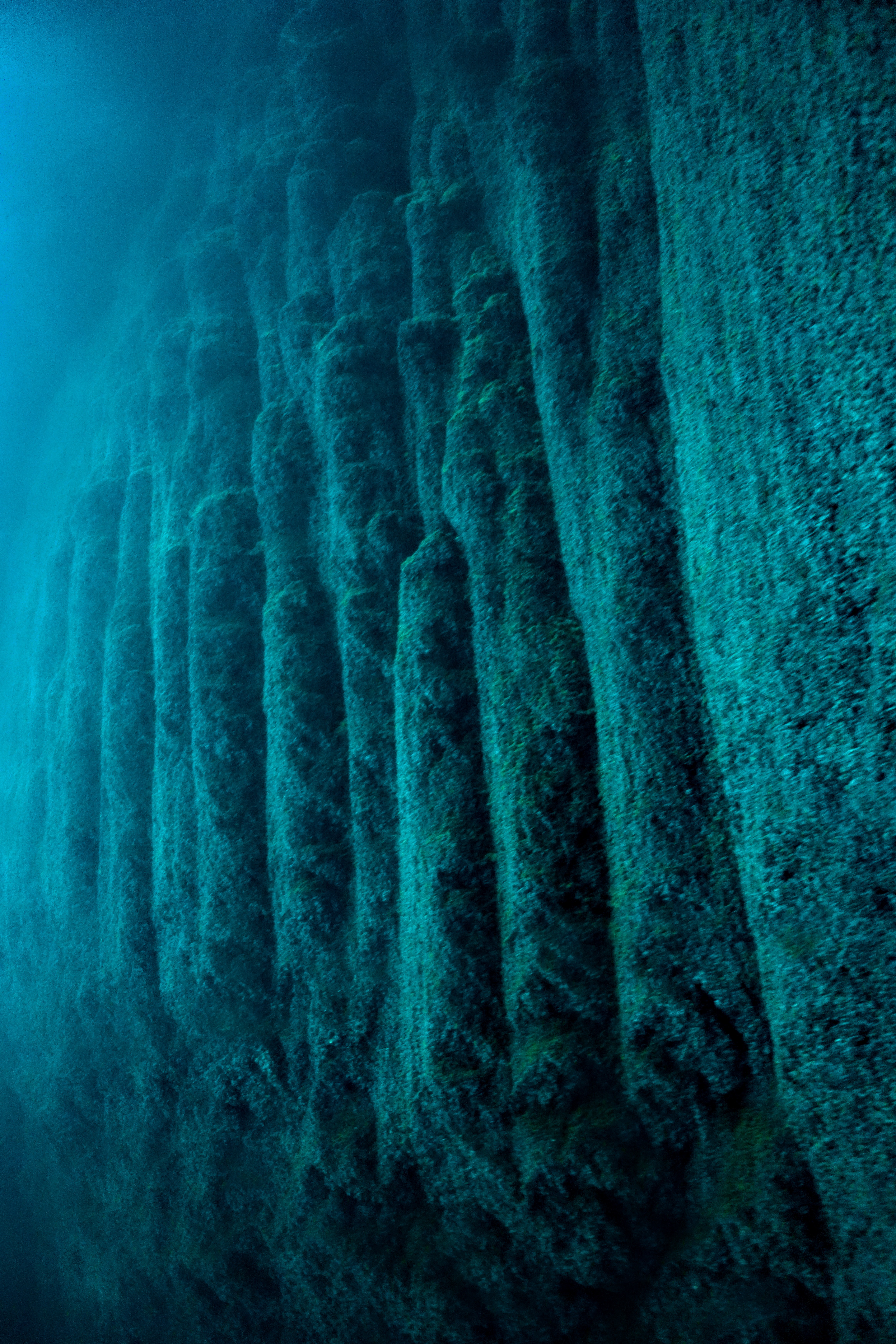
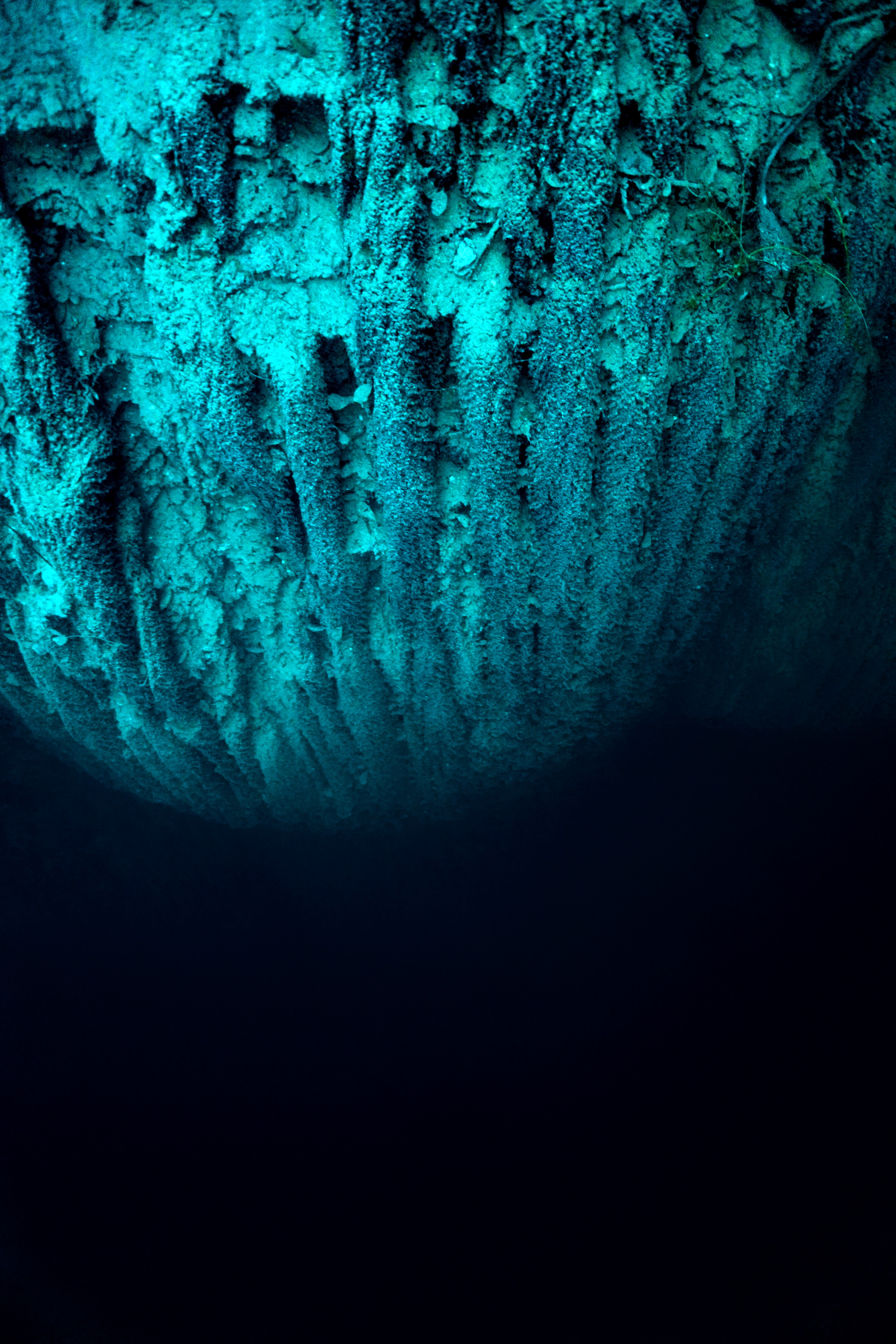
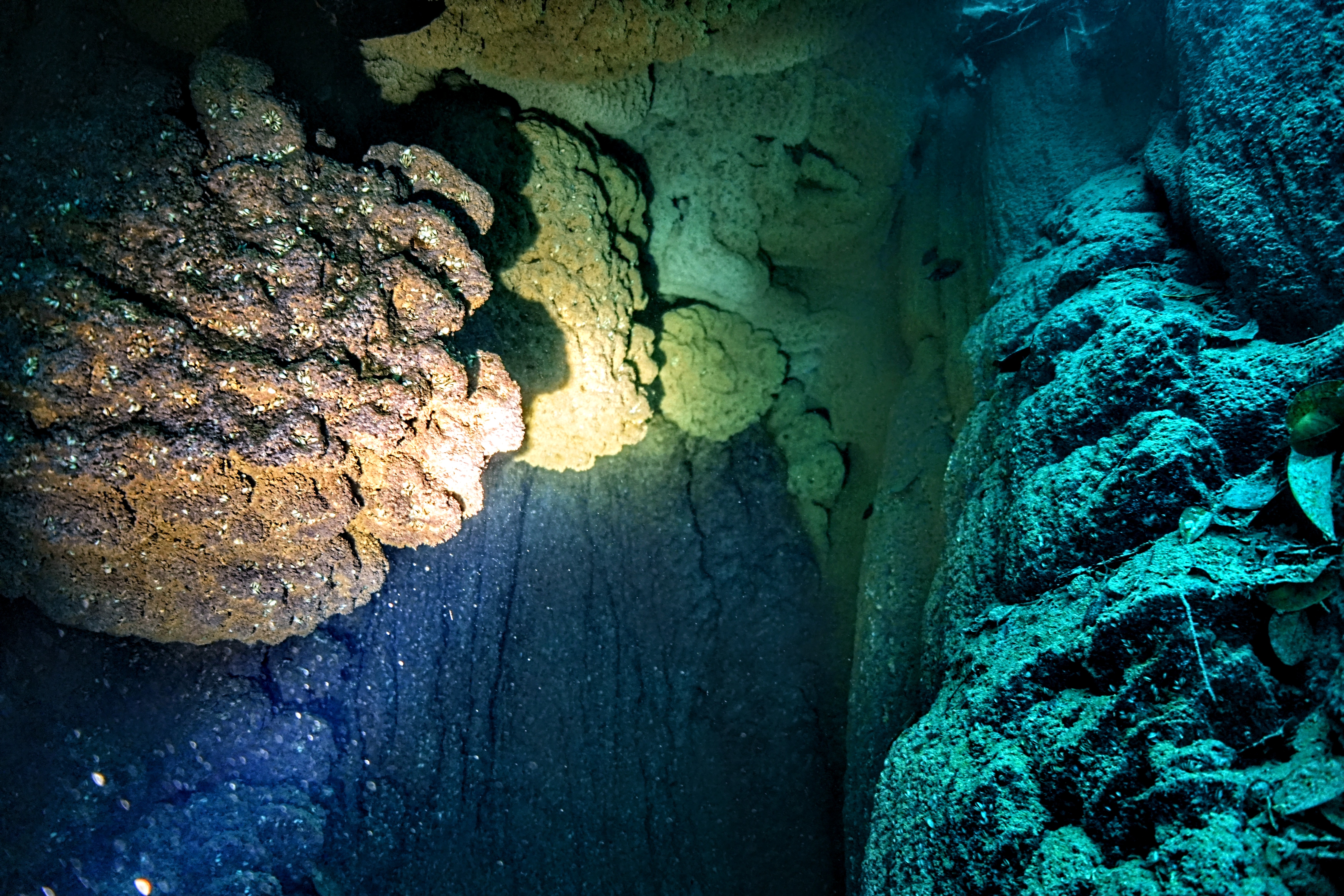
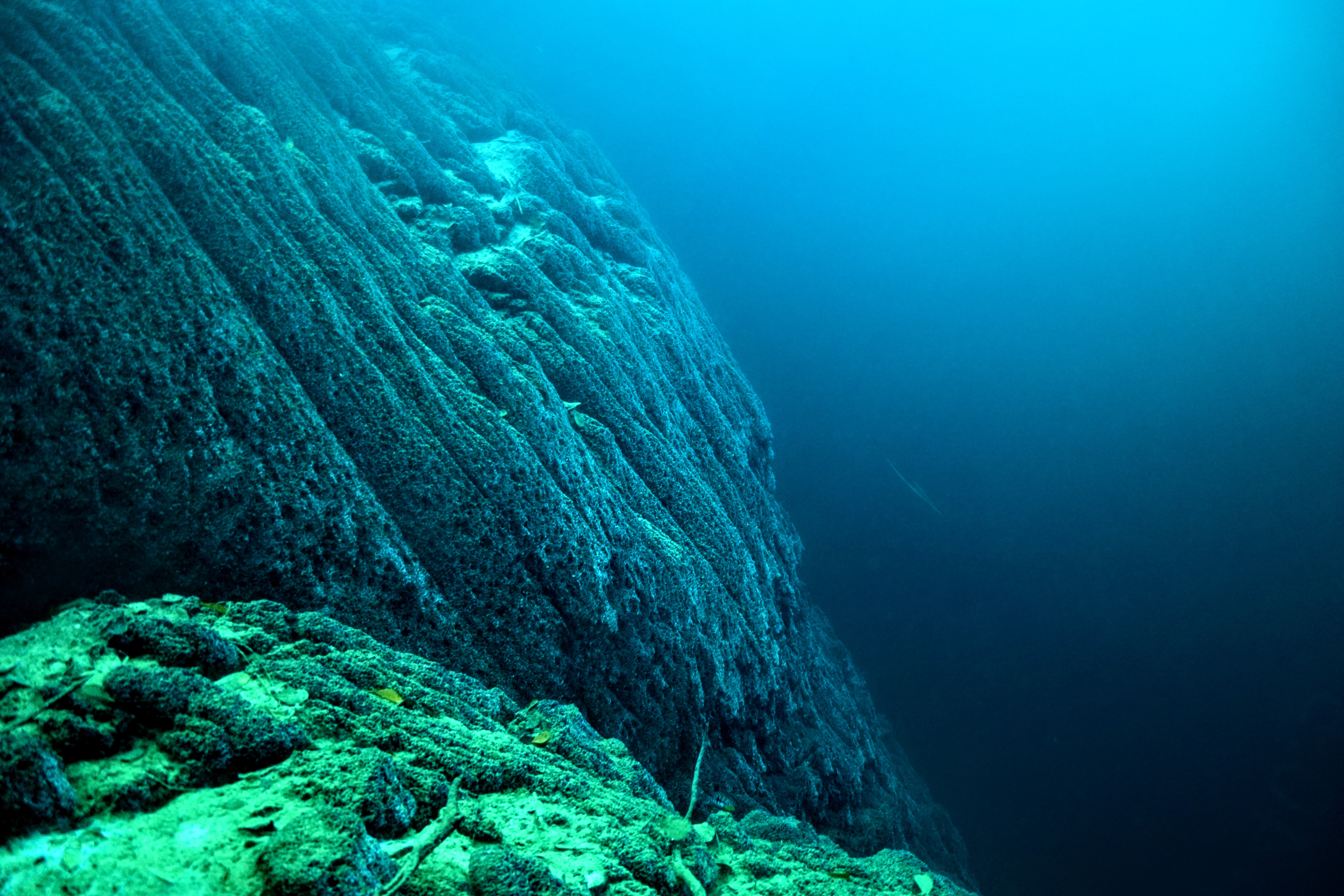
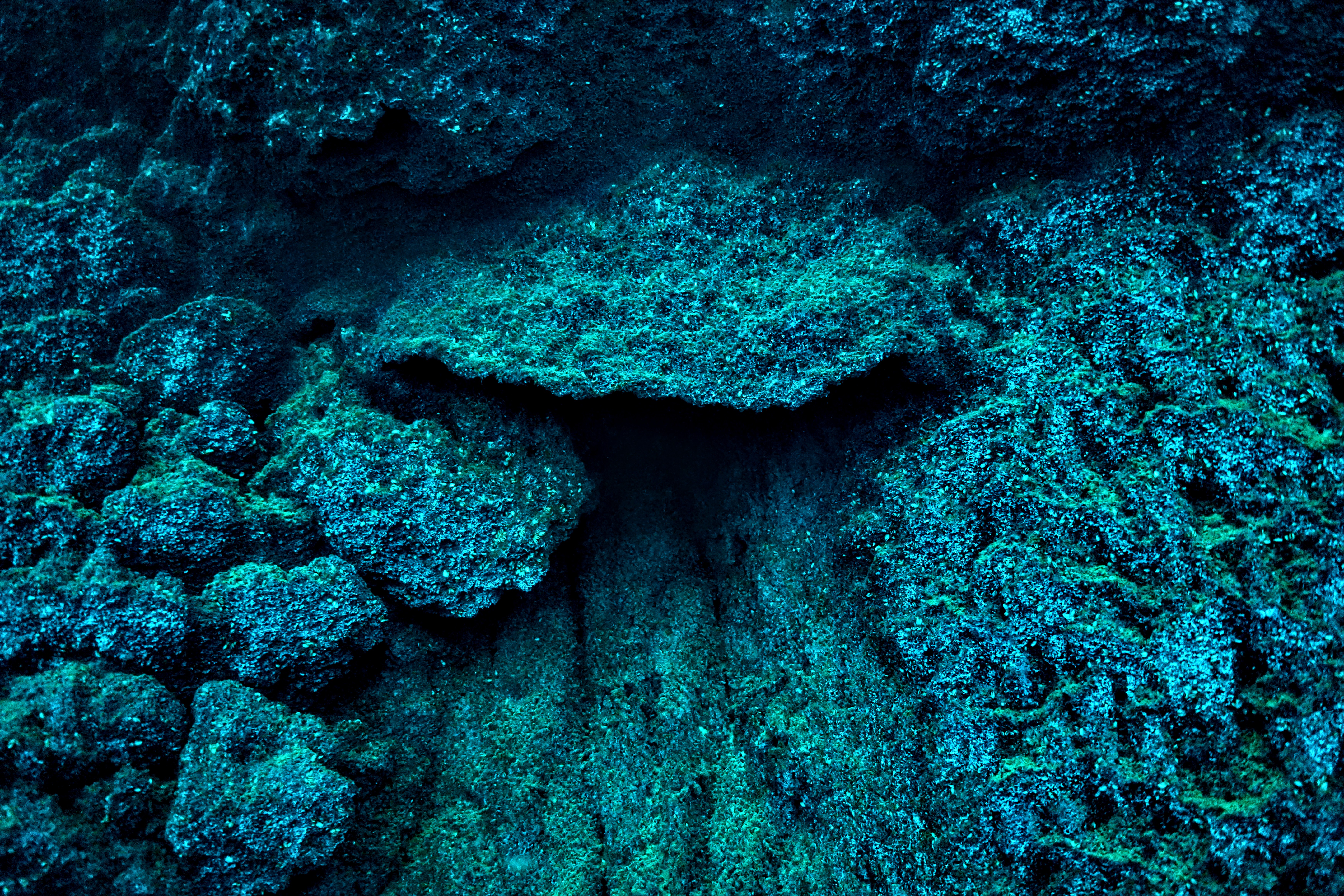
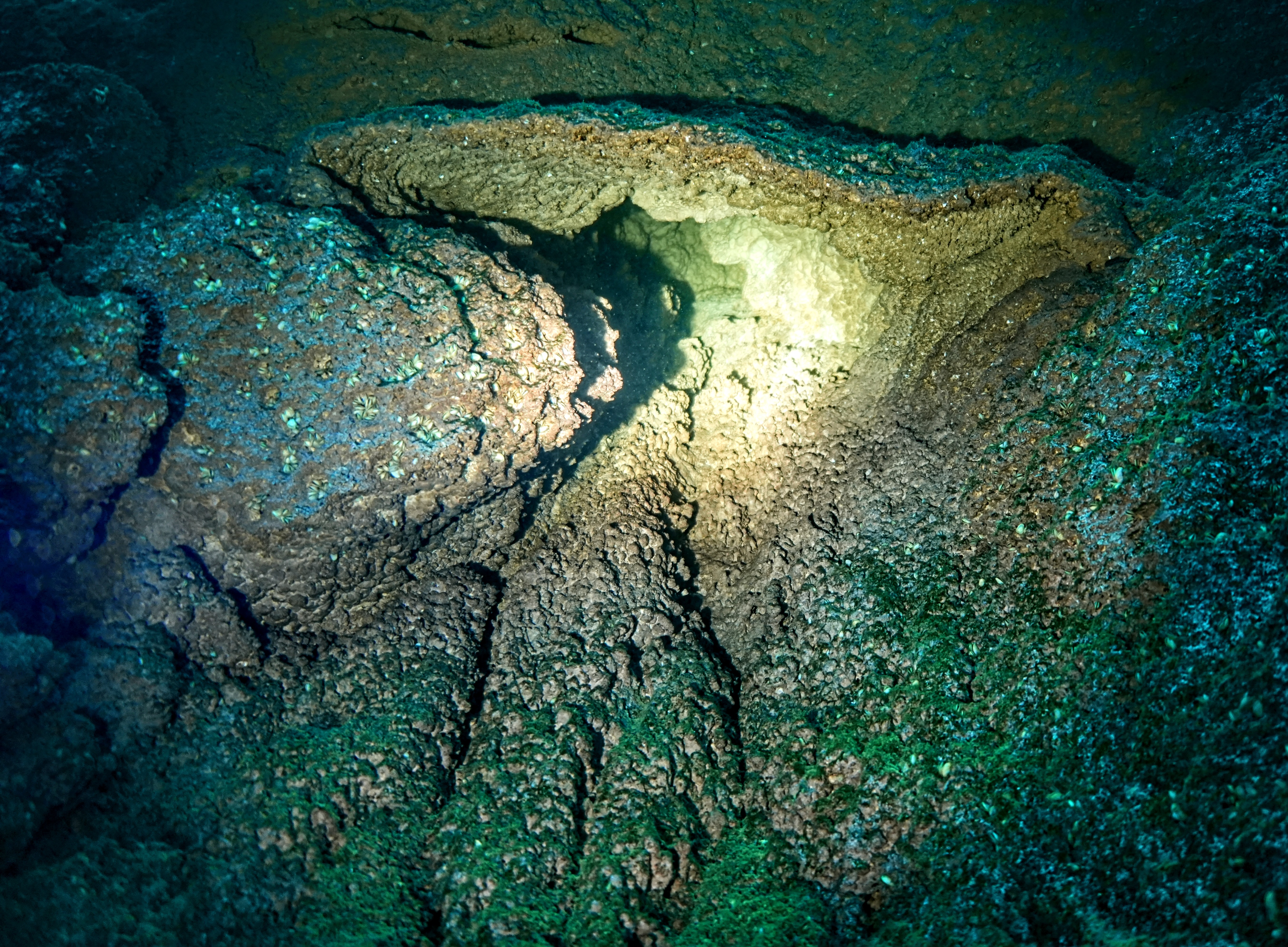
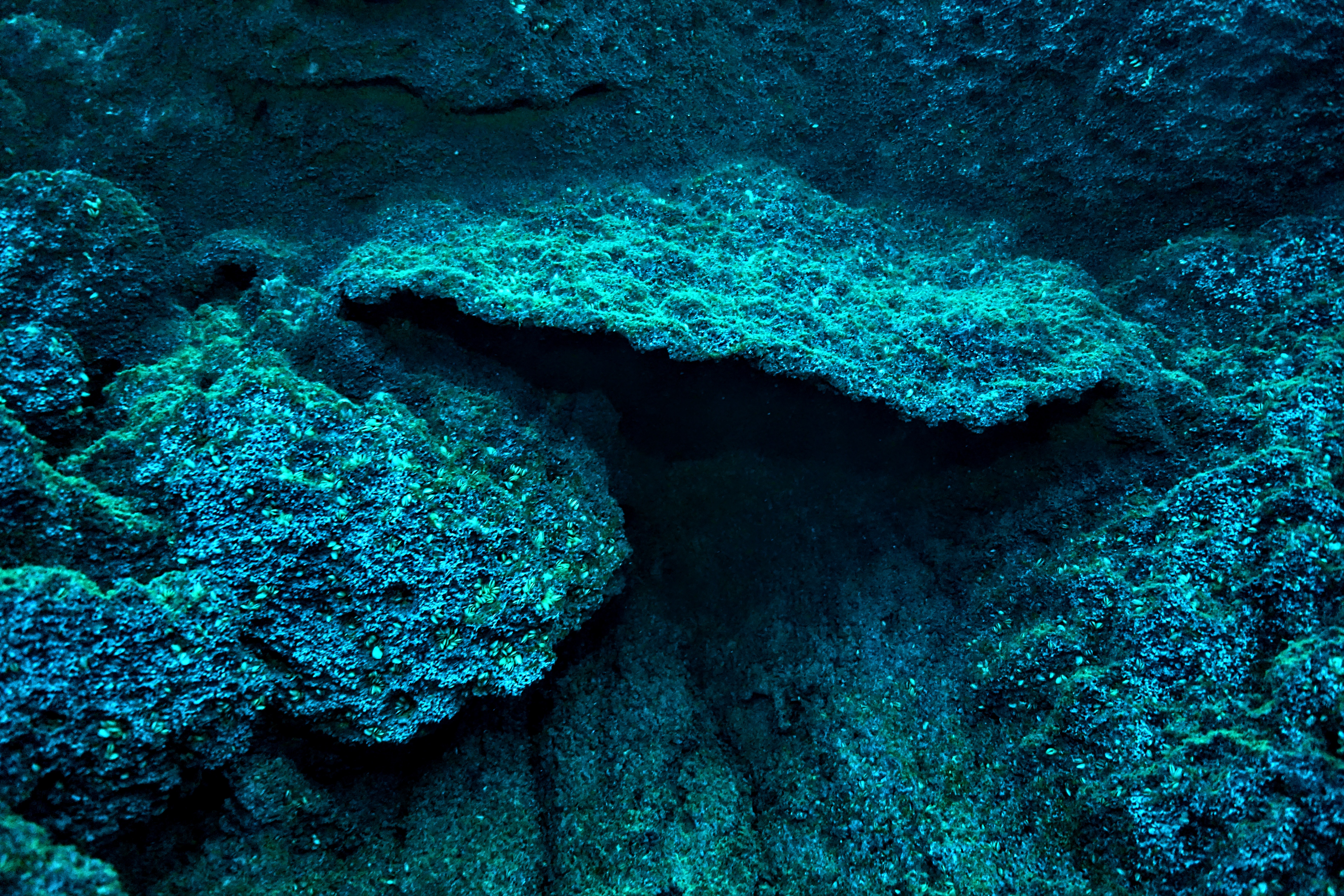
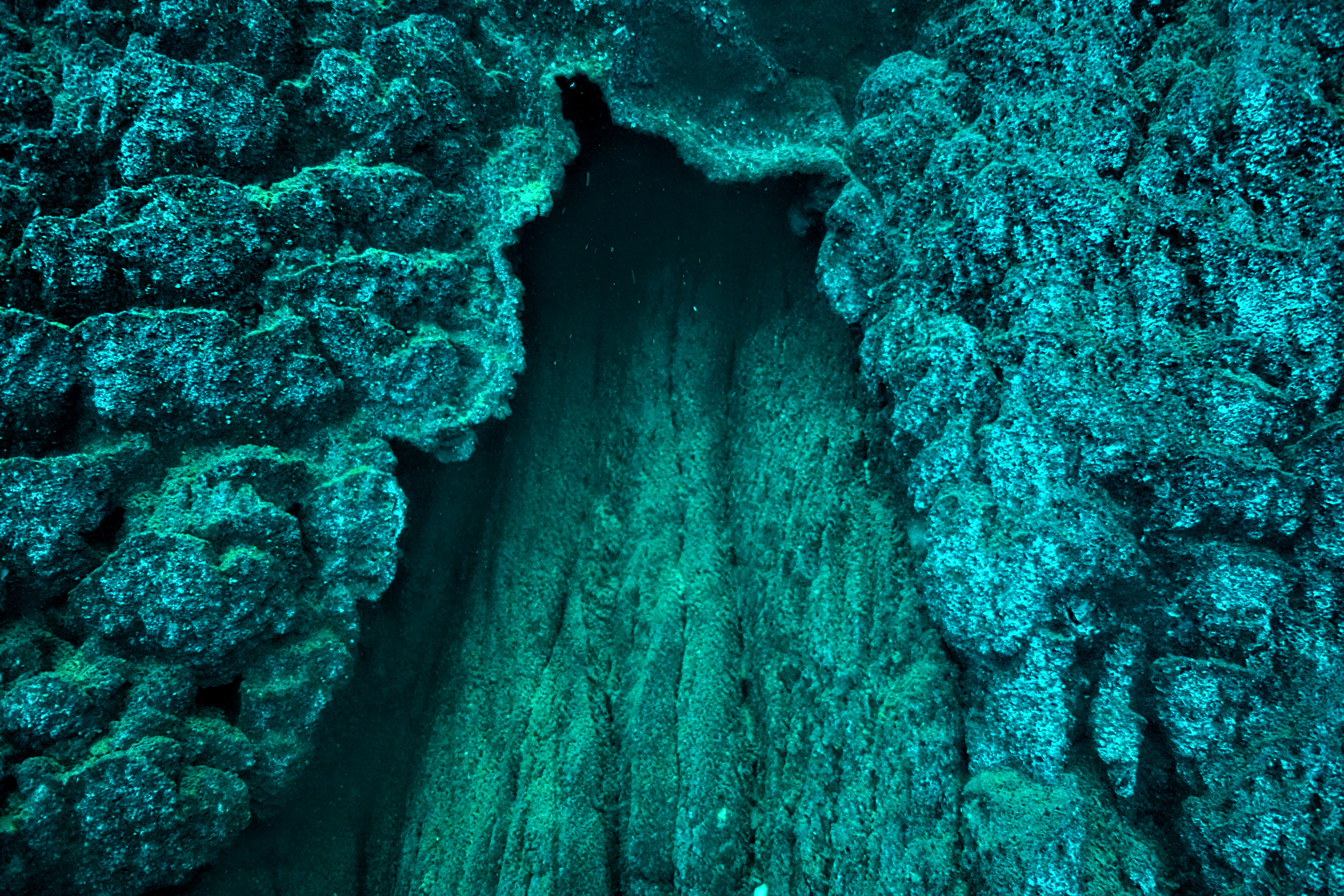
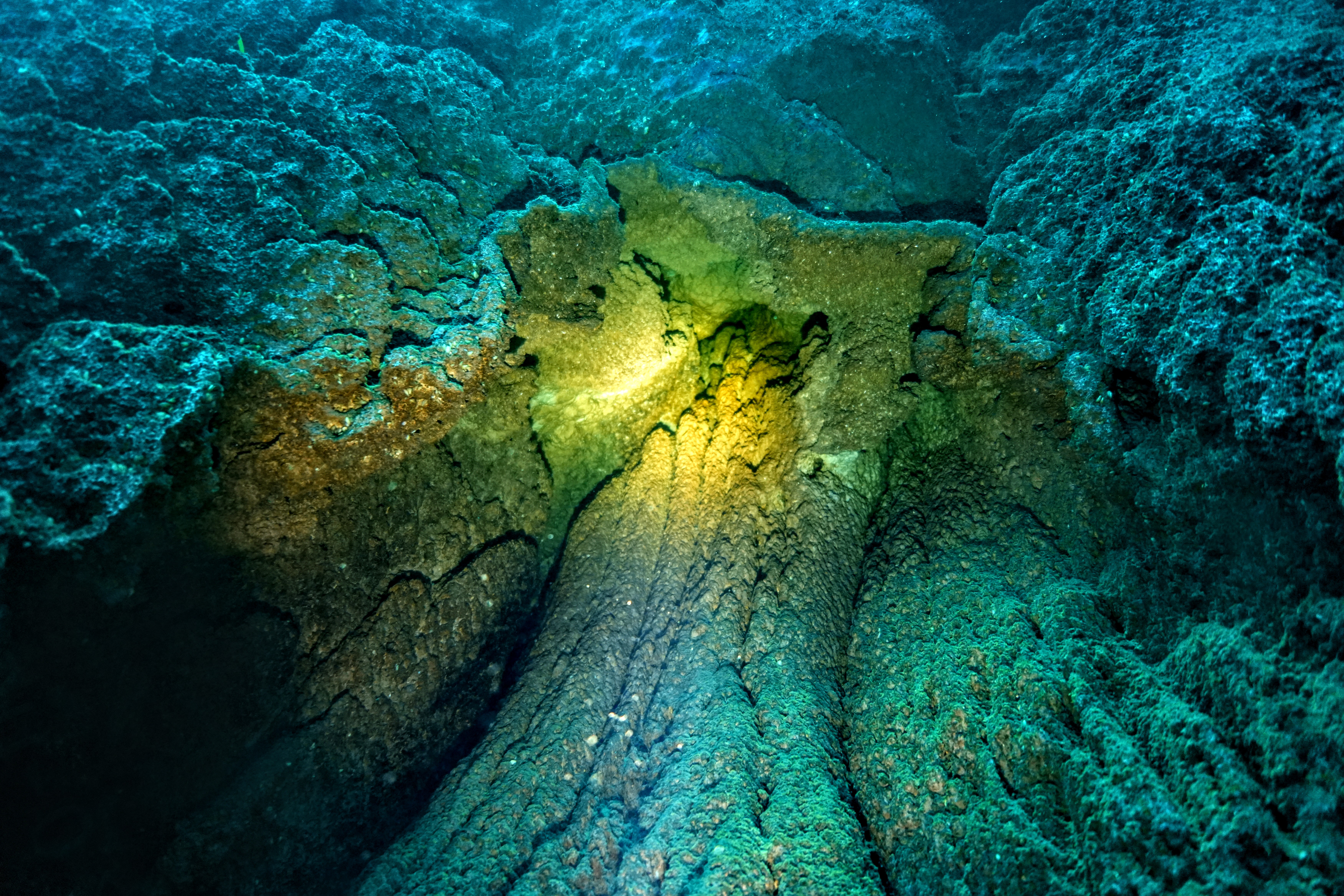
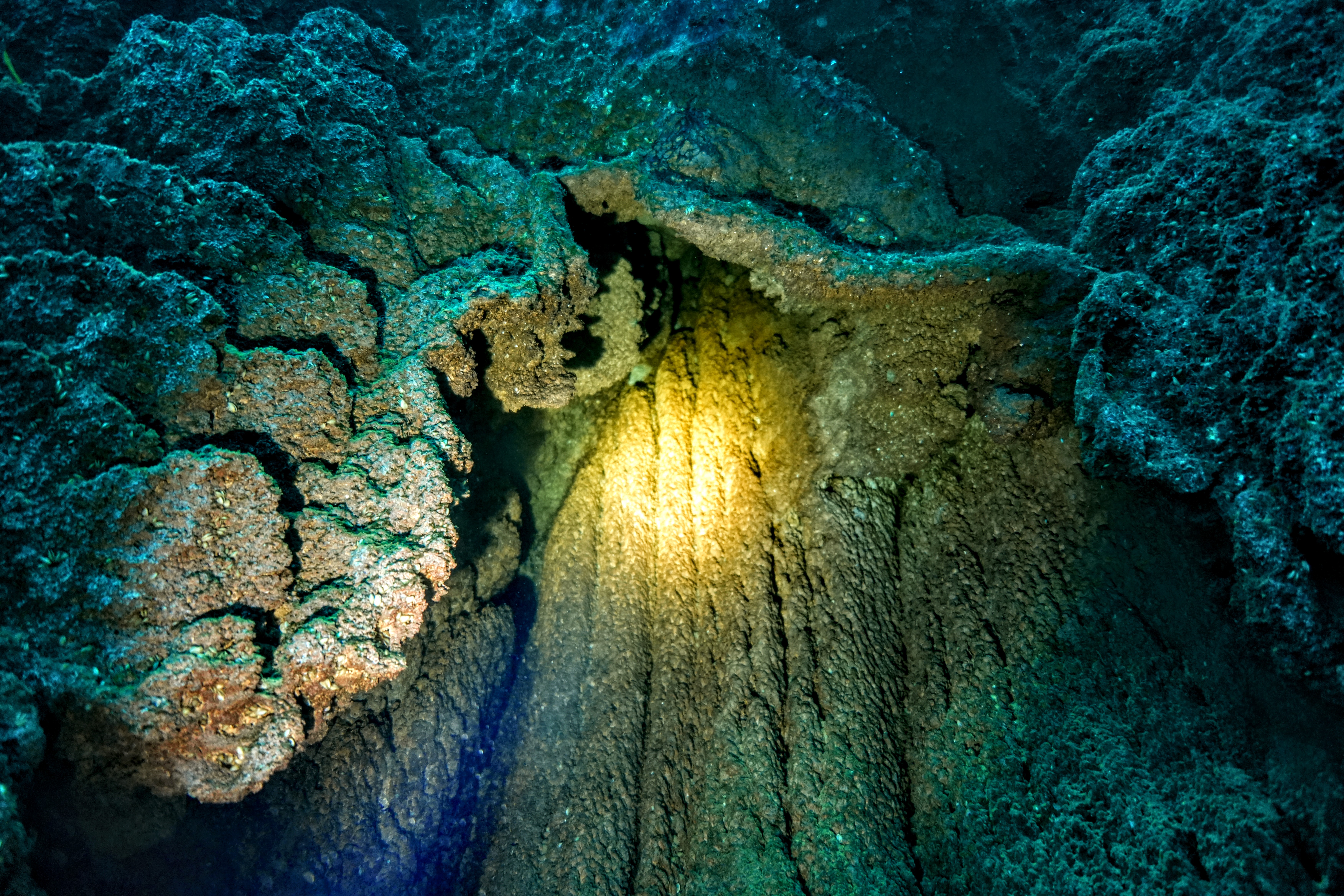
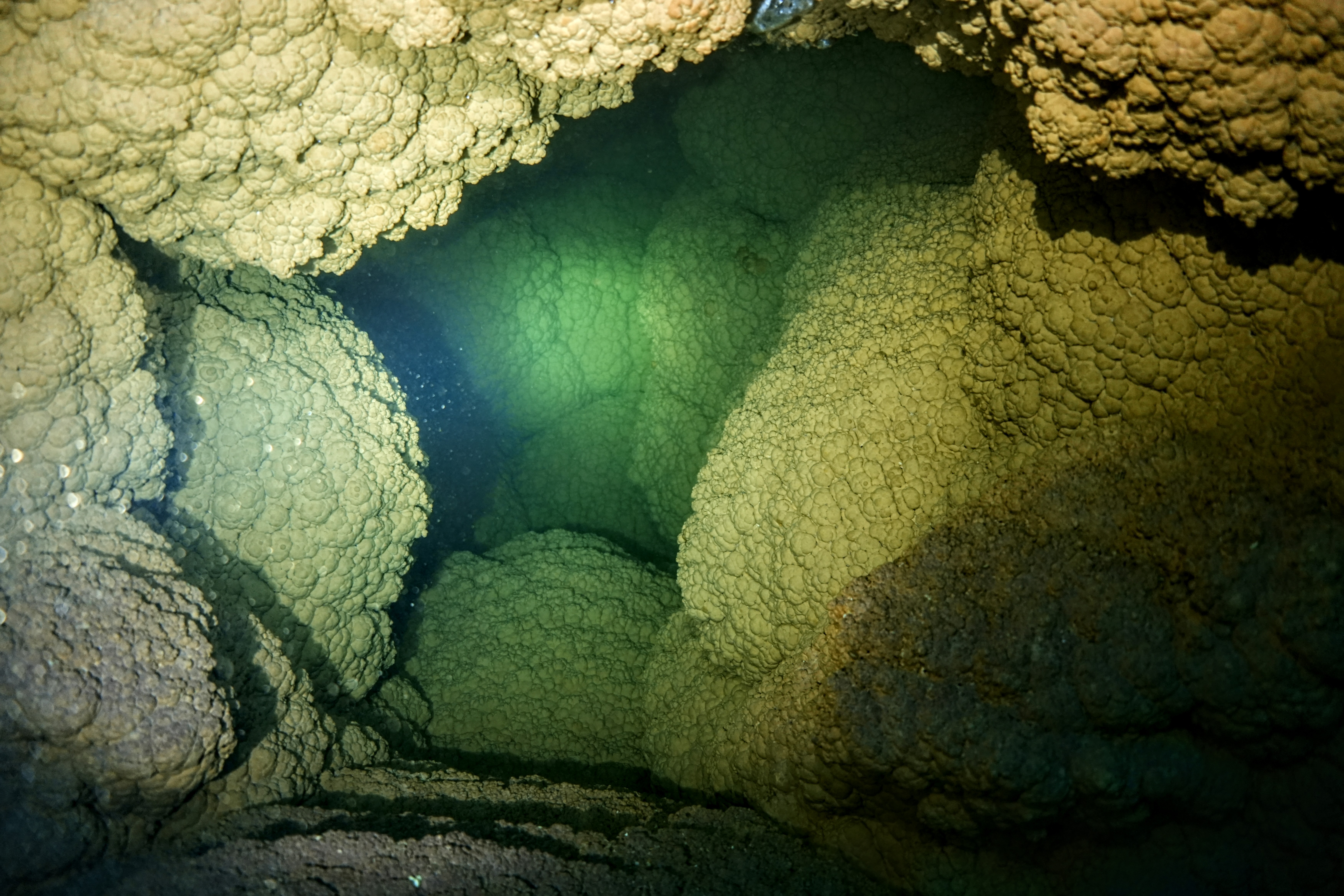
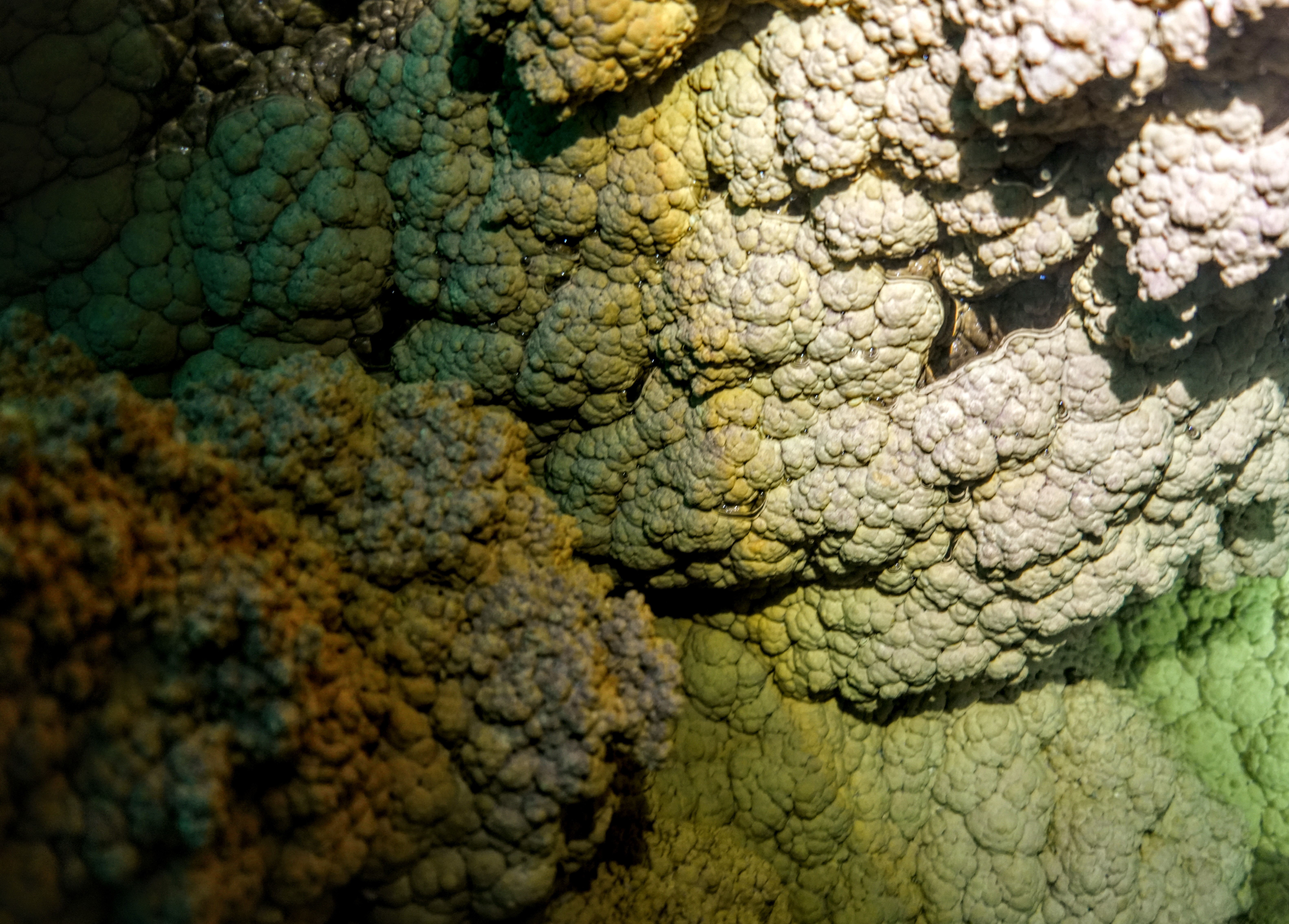
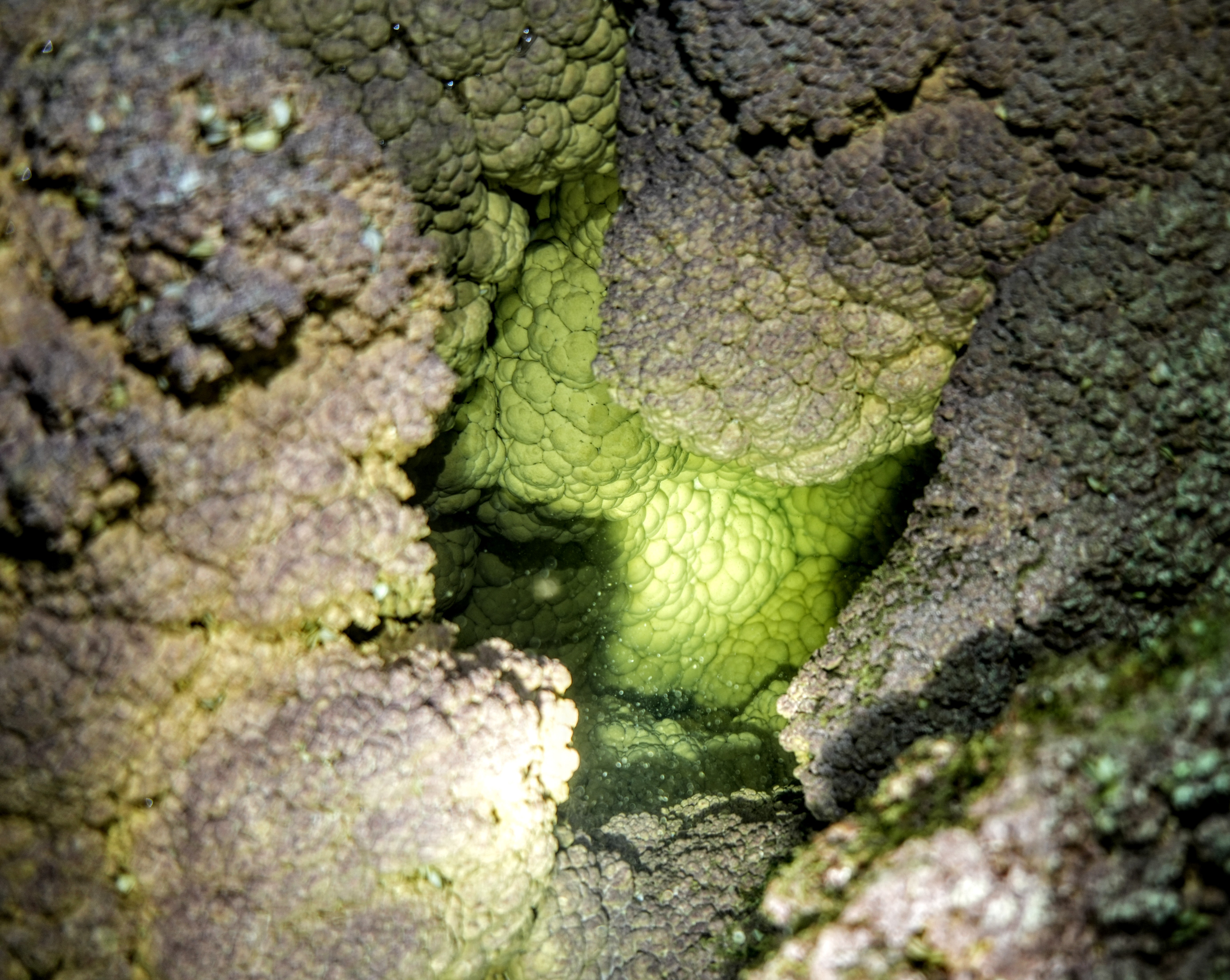
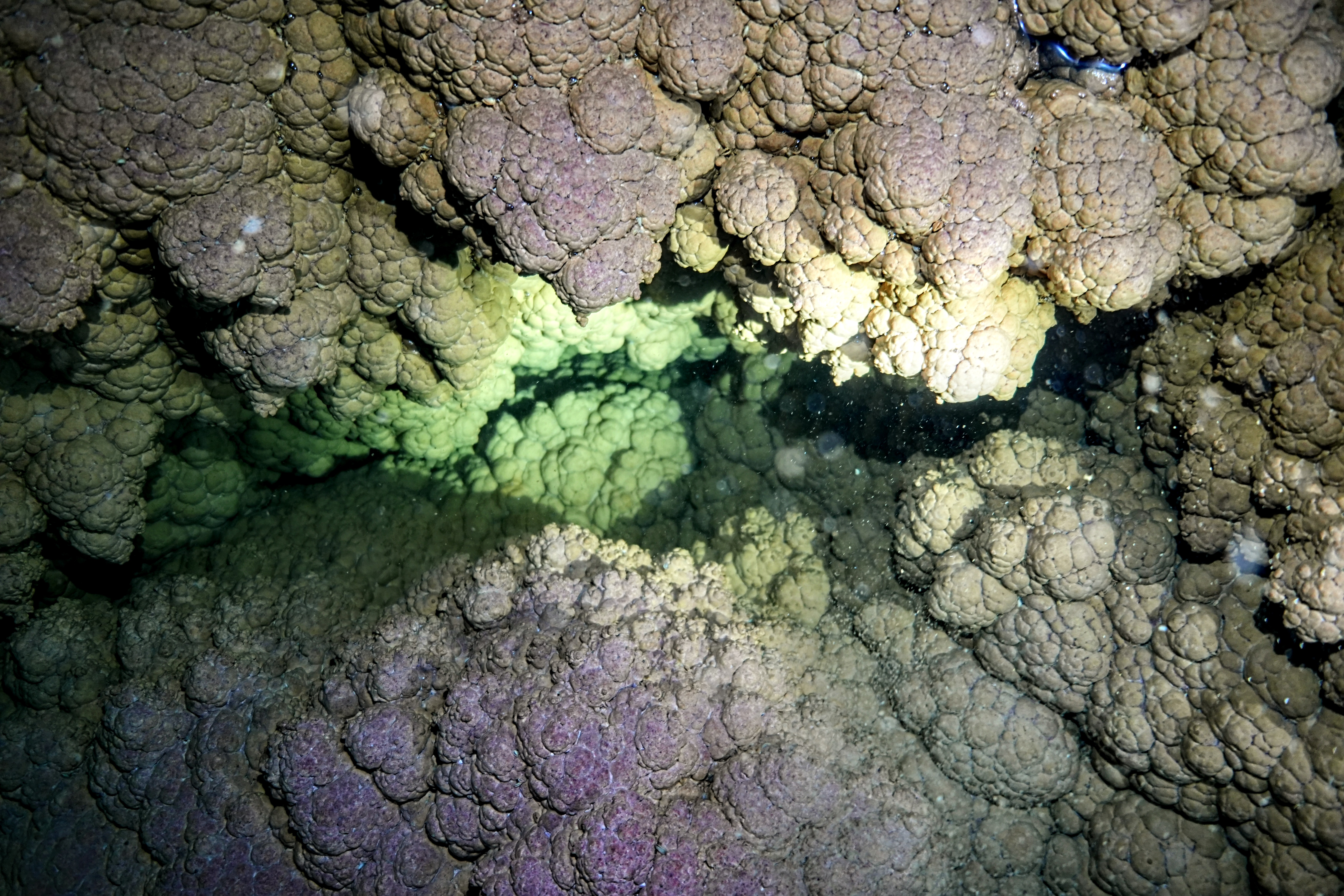
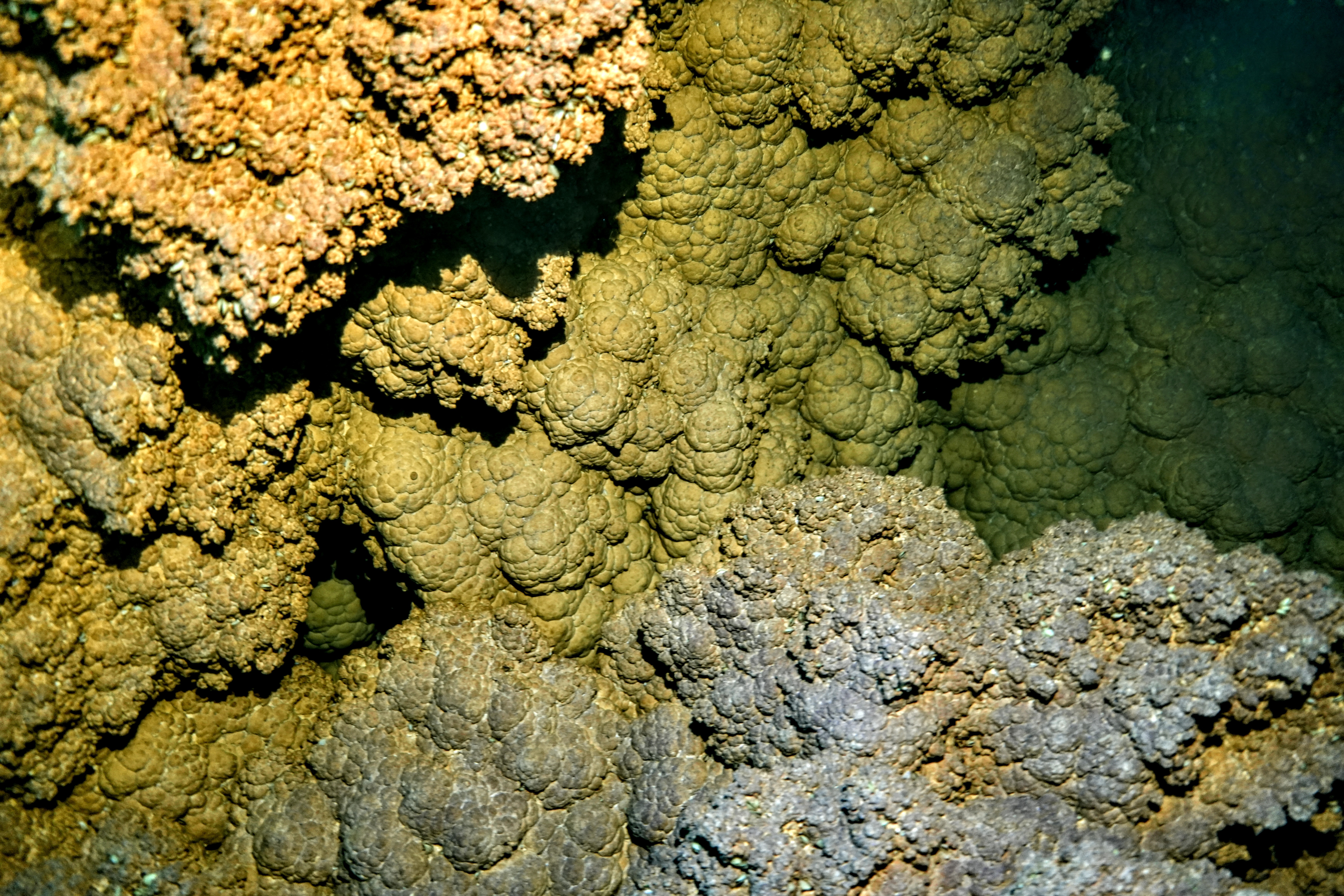
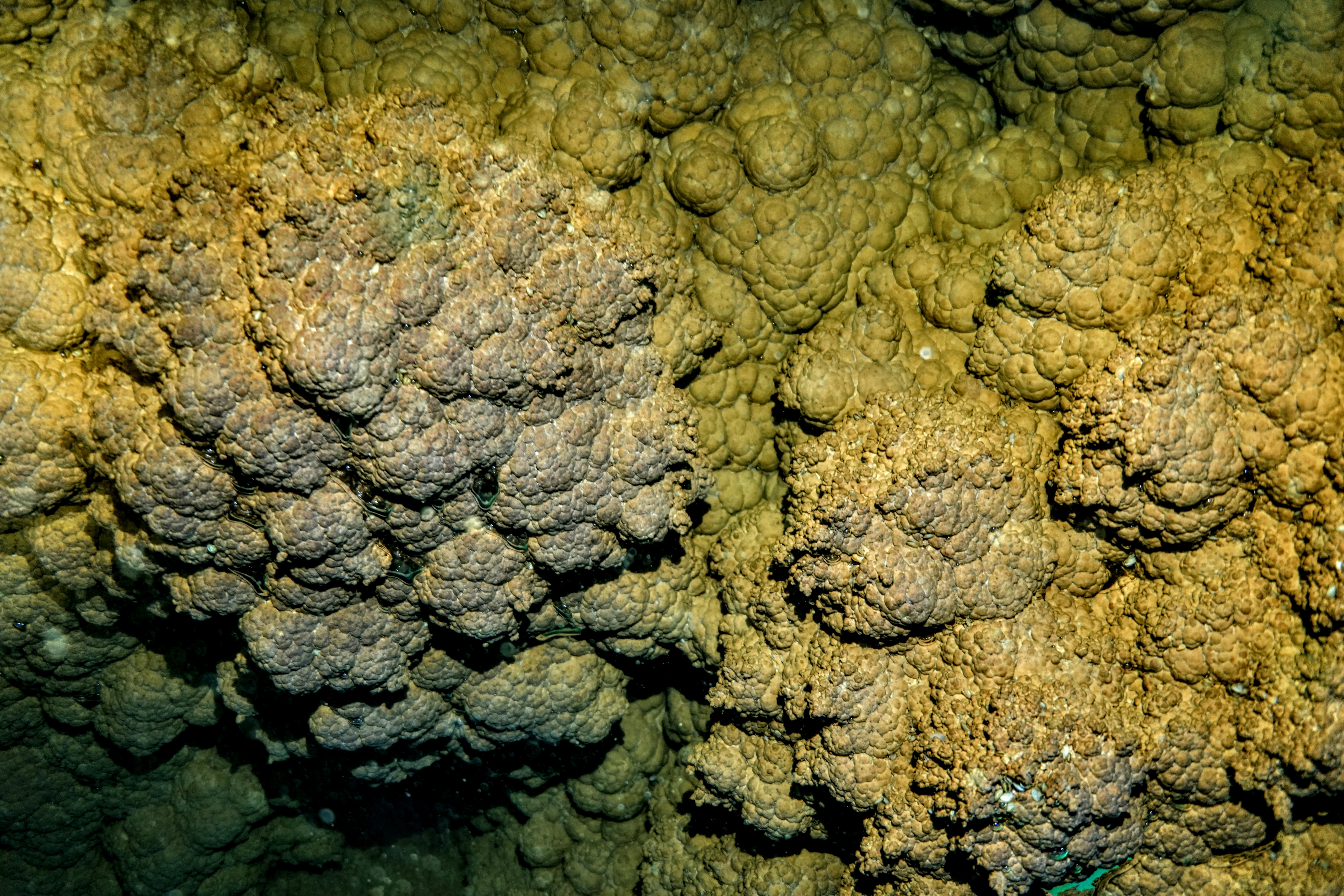
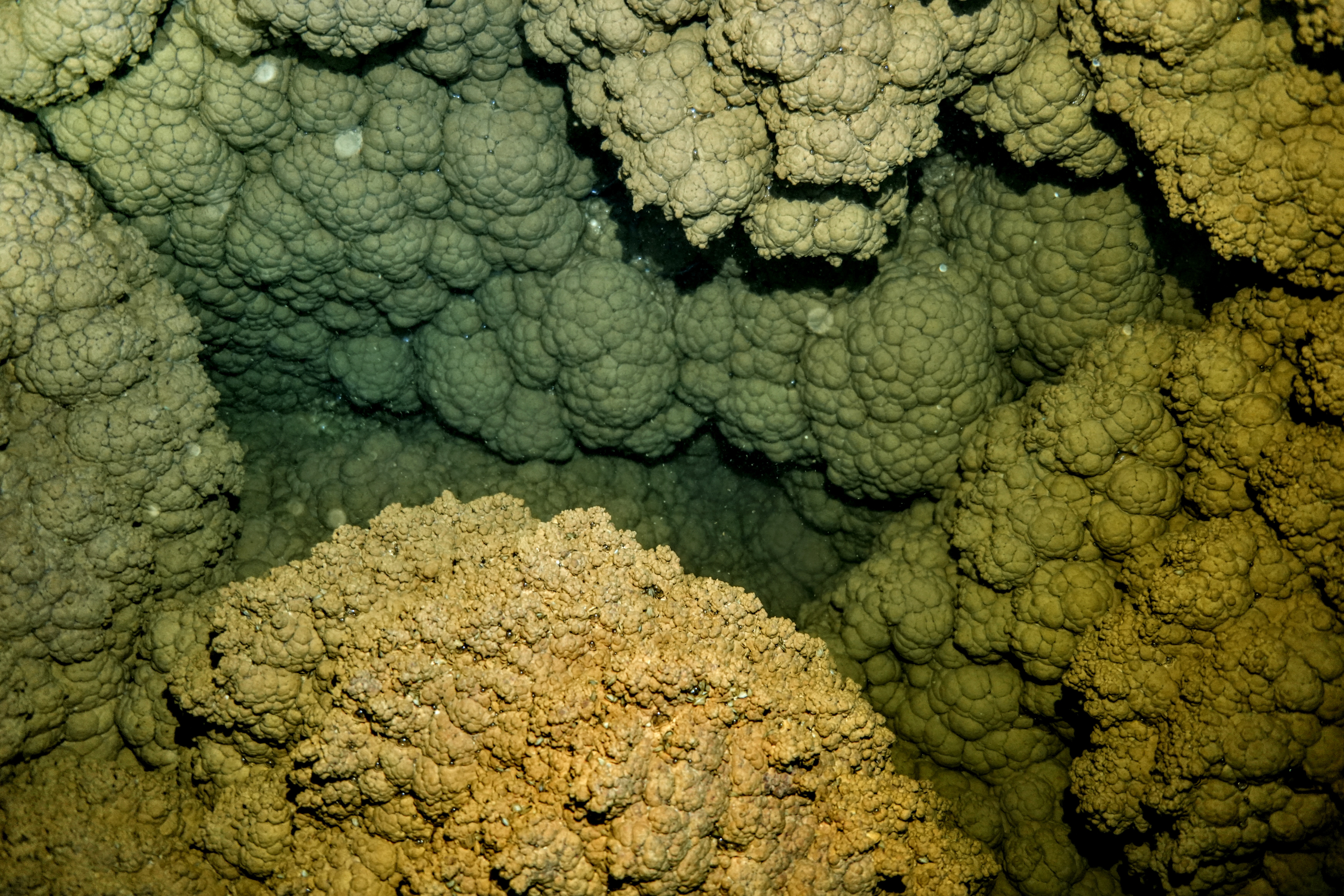
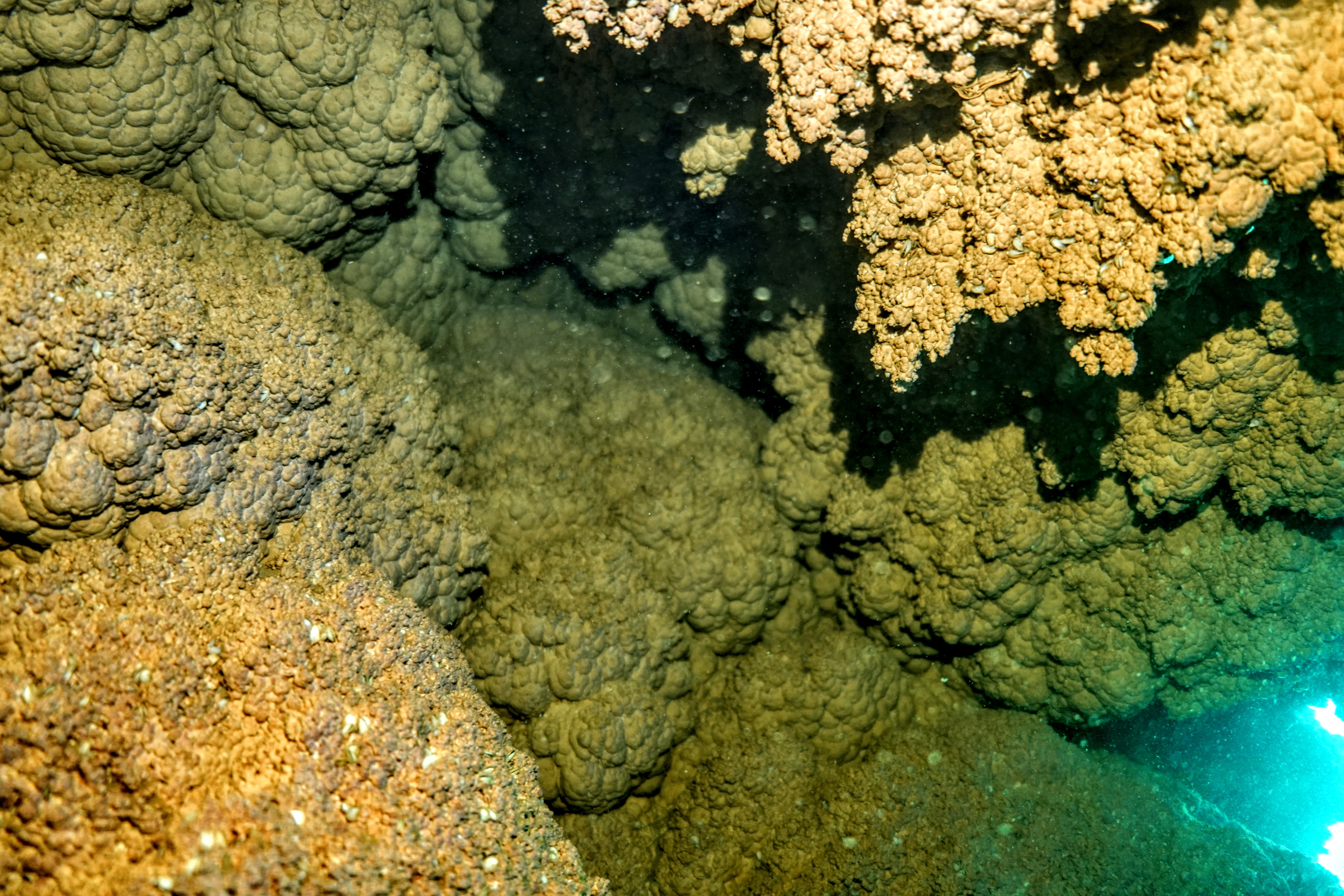
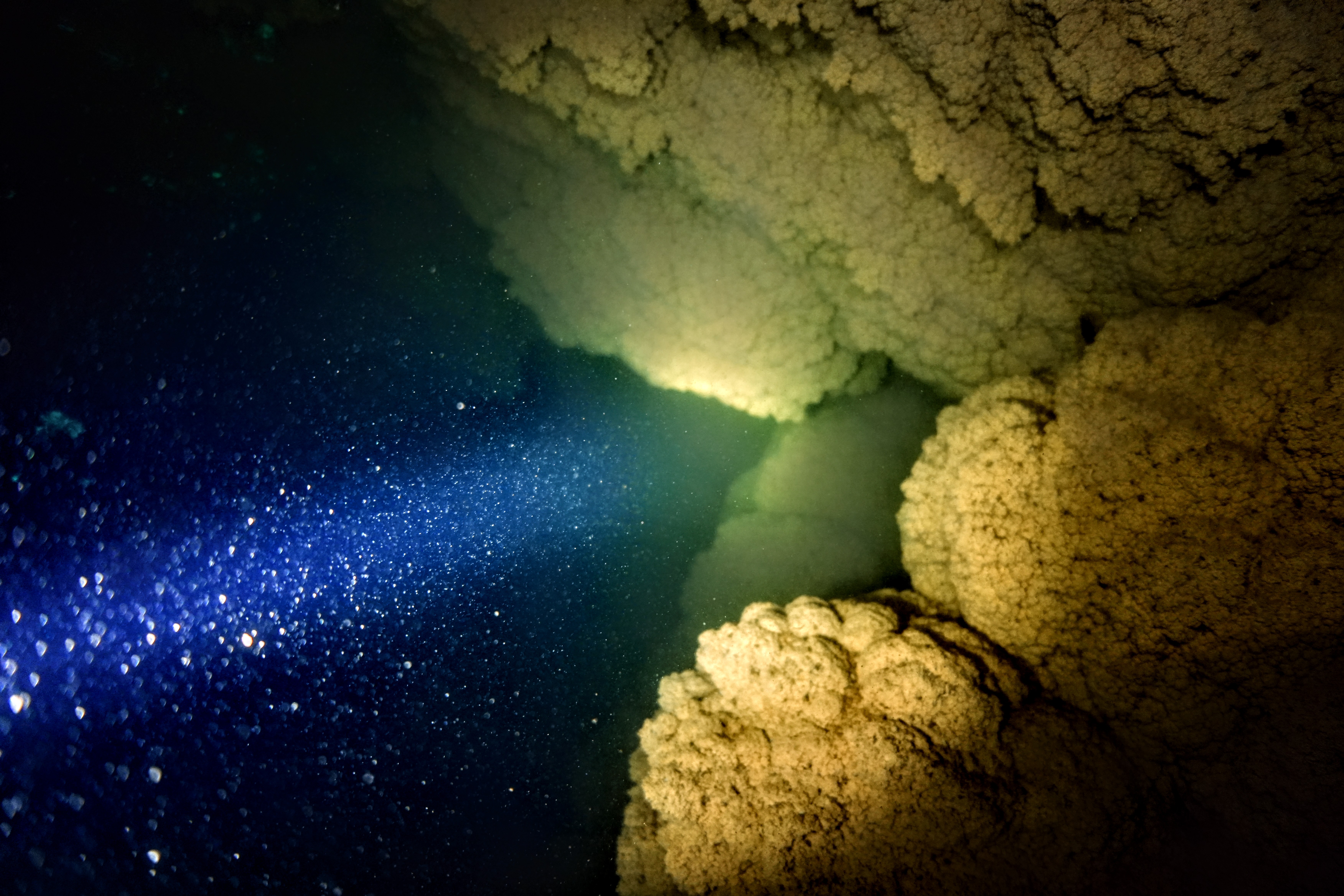
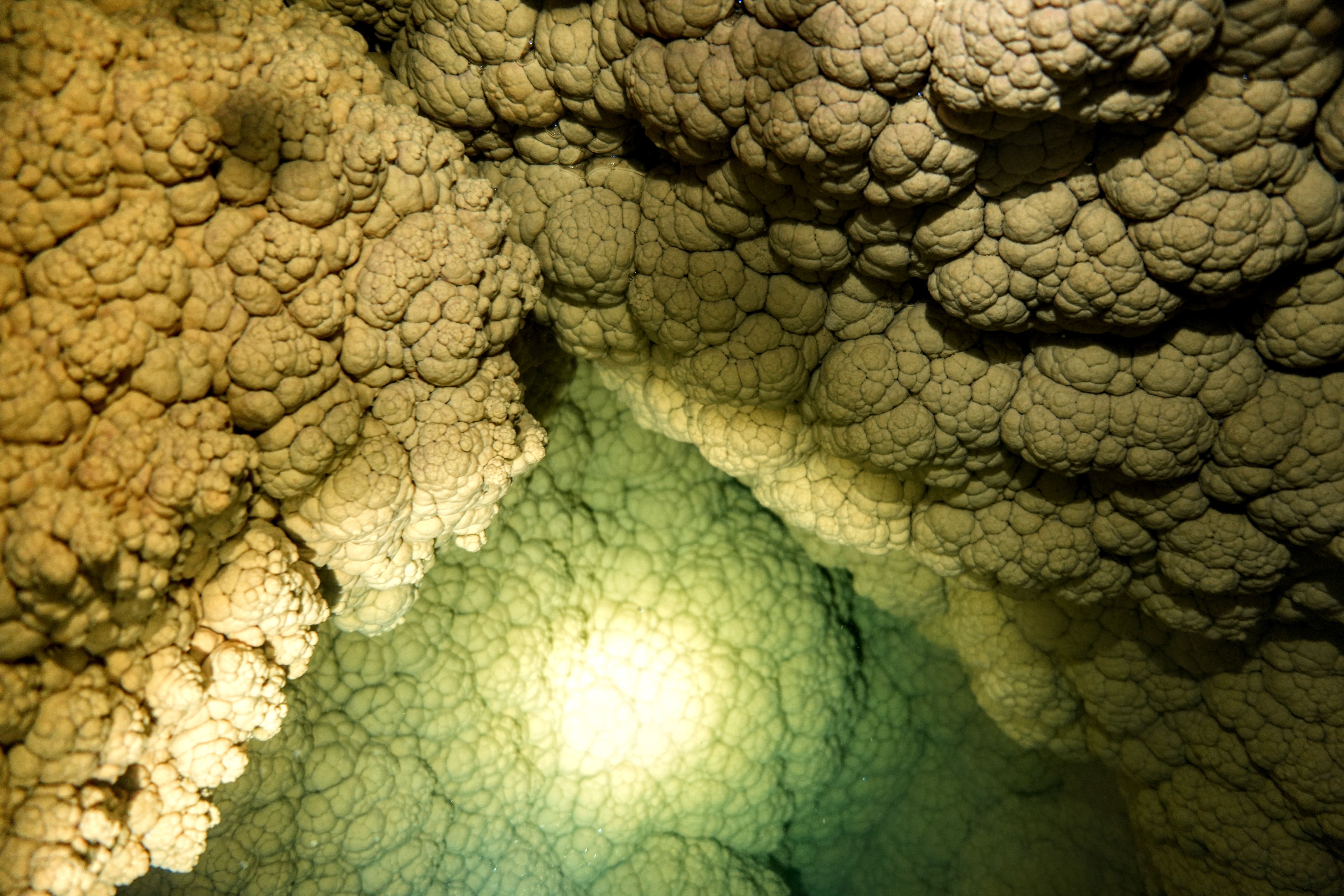
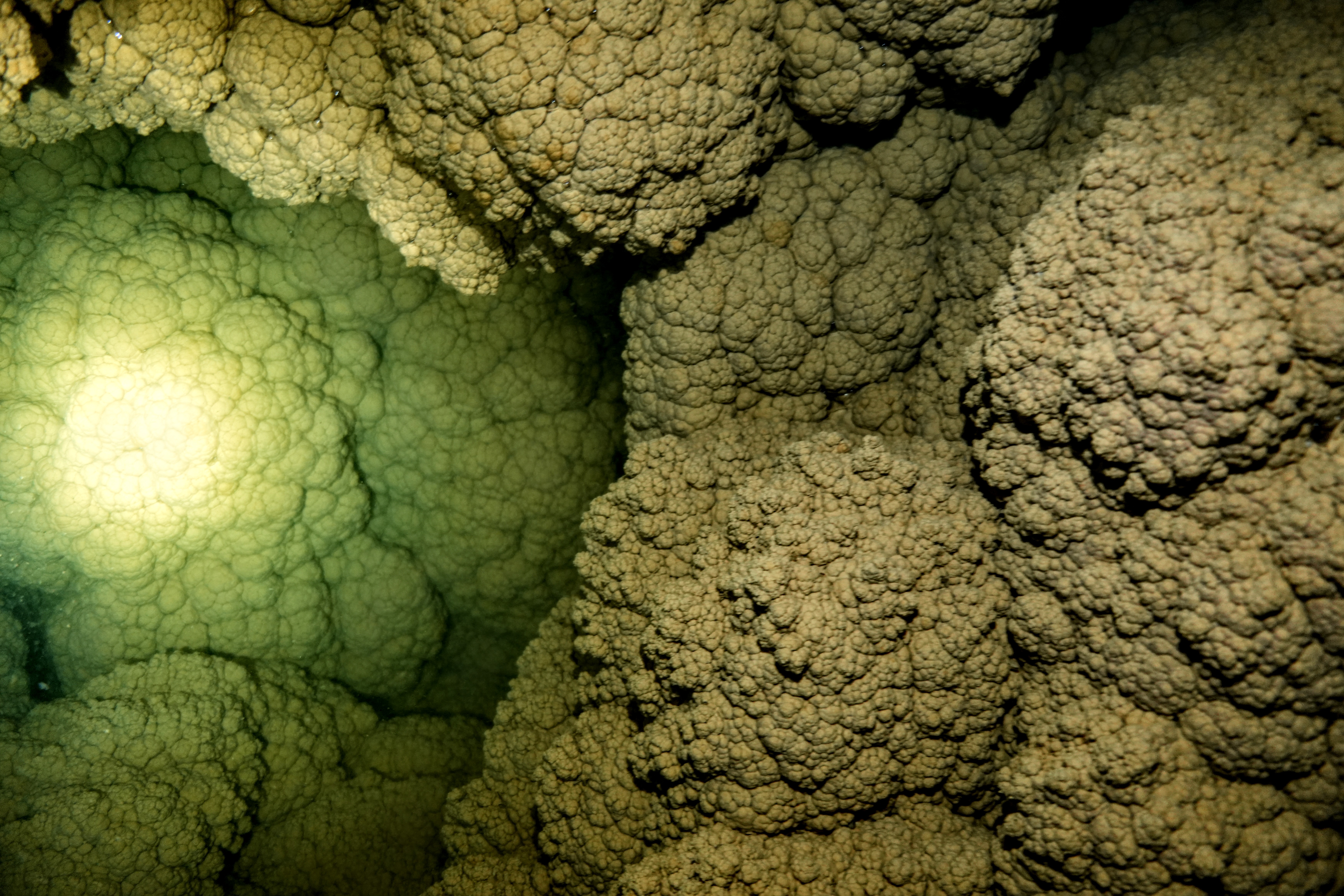
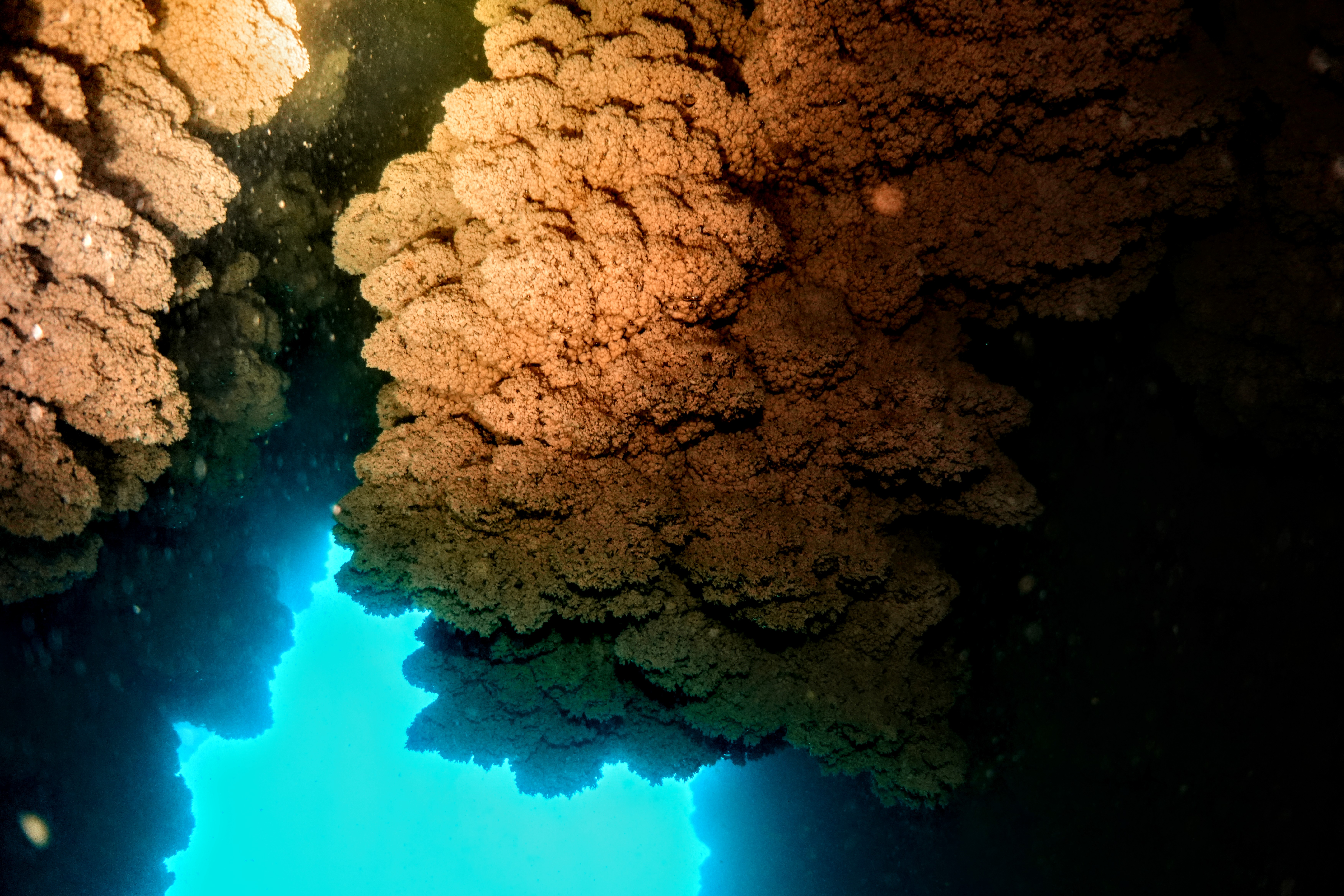
A lo largo de las paredes del Cenote Azul crece una forma única de vida ancestral. Los estromatolitos del Cenote Azul son diferentes a los de la Laguna de Bacalar. Estos ancestros únicos no existen en ningún otro lugar del mundo. Las paredes, aunque parezcan roca, son comunidades vivas de diversa vida microscópica. Estas formaciones microbianas orgánicas crecen a lo largo de las paredes a lo largo de 50 metros o más. Los estromatolitos del Cenote Azul crecen en formaciones fascinantemente diversas. Sus patrones de crecimiento se asemejan a las formaciones orgánicas de un ser vivo. De los cenotes que alimentan la Laguna de Bacalar, el Cenote Azul es el único que está separado superficialmente de la Laguna. Por esta razón, el Cenote Azul ha experimentado una vida aislada, lo que ha resultado en una genética de vida única.
Los estromatolitos del Cenote Azul no solo son únicos, sino que la población de peces también es diferente a la de la Laguna. La mayoría de estos peces se aparean de por vida y permanecen juntos con sus permanecer juntos con todos sus bebés mientras crecen. Por favor, respete a estas familias de peces observándolas con calma a una distancia que no moleste a sus bebés.
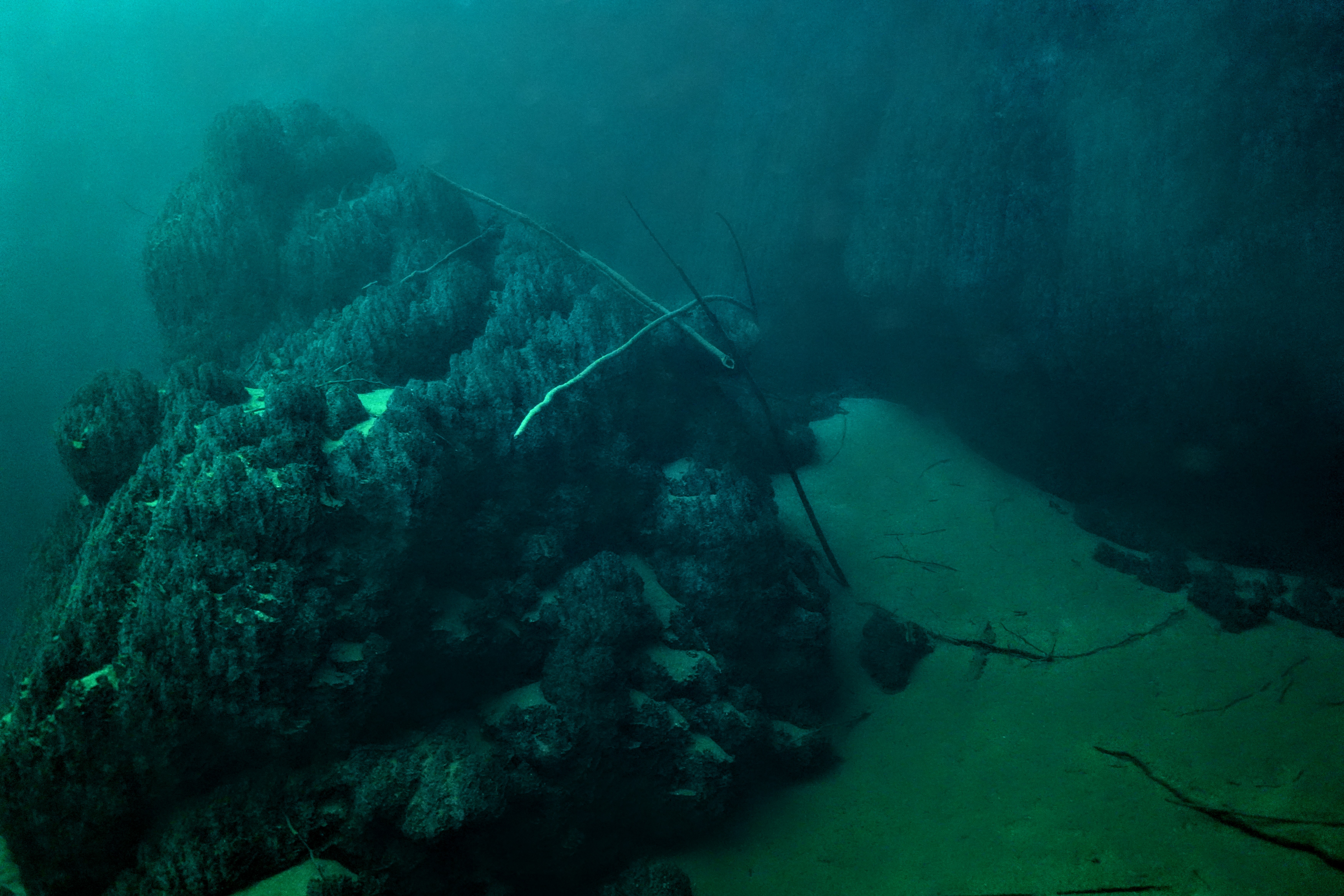
Los árboles que han caído al cenote se han fosilizado. En algunos lugares, los árboles presentan grandes crecimientos de estromatolitos a su alrededor. El crecimiento de los estromatolitos puede tardar miles de años, lo que significa que estos árboles han estado en el agua durante miles de años.
Durante la apnea y el buceo en el Cenote Azul, evite tocar los árboles y las paredes.
¡Las ROCAS están VIVAS y los ÁRBOLES son FÓSILES ANTIGUOS! ❤
* * * * * * * * * * * * * * *
Cenote Azul is a unique jewel, home of ancient life, and deserves to be treated with the deepest respect.
Growing along the walls of Cenote Azul lives a unique form of ancient life. The Stromatolites of Cenote Azul are distinctly different from the Stromatolites of Laguna Bacalar. These unique anscestors do not exist anywhere else in the world. While the walls may appear to be rock, they are living communities of diverse microscopic life. These organic microbial formations, grow along the walls for 50 meters or more. The Stromatolites of Cenote Azul grow in fascinatingly diverse formations. Their growth patterns resemble the organic formations of a living creature. Of the cenotes which feed Laguna Bacalar, Cenote Azul is the only which is separated superficially from the Laguna. For this reason, Cenote Azul has experienced an isolated lifespan of evolution resulting in unique genetic of life.
Not only are the Stromatolites of Cenote Azul completely unique, the fish population is also different from that of the Laguna. The Majority of these fish mate for life and stay together with all of their babies as they grow. Please respect these families of fish by observing them calmly at a distance that does not bother their babies.
The trees which have fallen into the cenote have fossilized. In some places the trees have large Stromatolite growths around them. Stromatolite growth can take thousands of years, meaning these trees have been in the water for thousands of years.
Whiles Apnea and Scuba Diving in Cenote Azul please avoid touching the trees and walls.
The ROCKS are ALIVE and the TREES are ANCIENT FOSSILS!!! ❤
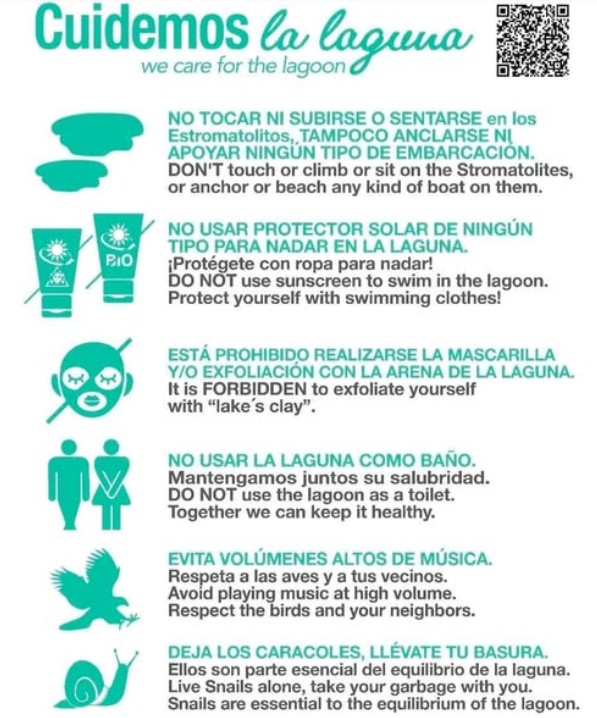
Por favor respete la Guía de Buenas Prácticas en Cenote Azul
* * *
Please Respect the Guide to Good Practices in Cenote Azul
Estudios Científicos
* * *
Scientific Studies
Cenote Azul explicado por la Dra. Luisa Falcón microbióloga por la Facultad de Ciencias de la UNAM
Monitoreo de agua Cenote Azul. En colaboración con la Dra. Flor con UNAM, Hurakaan Eco-Táctica, Scubacalar, Jardín Microcosmico.
Filmado por Mercuri Amaryllis.
Historia de los Estudios en Cenote Azul
- 2015: Un trabajo de Héctor en el donde menciona una pared de Estromatolitos.
- 2019, se organizó un expedición para tomar muestras de la pared, y documentarla con fotografías y videos.
- 2020 se publicó el trabajo sobre los microorganismos asociados a los estromatolitos del Cenote Azul, Curiosamente, el trabajo en relación a la bacterias que hicimos nosotros, coincide con trabajos que han hecho otros estudios con peces y otros organismos.
- Este reportan que existen especies que están en el Cenote Azul pero no están en Bacalar.
- Lo anterior coincide con un artículo que propone que roca que compone la pared del Cenote Azul, sea de un origen menos permeable de lo habitual. Dejando así al Cenote Azul aislado de laguna Bacalar o digamos que en una menor conexión.
- De lo que podríamos suponer, dado que toda nuestra roca es carbonato de calcio, y es propensa a filtrar el agua desde la superficie a los ríos subterráneos.
- Es decir, que el Cenote Azul, es un cuerpa de agua que tiene una diversidad biológica muy particular.
Es importante fomentar el cuidado del mismo, ya que es algo único, una belleza más que apreciar en nuestro sur de Quintana Roo.
* * * * * * *
The Story of Study in Cenote Azul
- 2015: There’s a paper by Héctor that mentions a wall of stromatolites.
- 2019: An expedition was organized to take samples from the wall and document it with photographs and videos.
- 2020: A study was published on the microorganisms associated with the Stromatolites in Cenote Azul.
- Interestingly, our work on bacteria coincides with work done by other studies with fish and other organisms.
- This report suggests that there are species in Cenote Azul but not in Bacalar.
- This coincides with an article that suggests that the rock that makes up the wall of Cenote Azul is of a less permeable origin than usual. This leaves Cenote Azul isolated from Bacalar Lagoon, or, let’s say, less connected than we might assume, given that all of our rock is calcium carbonate, and it is prone to filtering water from the surface into underground rivers.
- That is to say, the Cenote Azul is a body of water that has a very particular biological diversity.
It’s important to promote its preservation, as it is unique, a beauty to be appreciated in southern Quintana Roo.
Depth Related Structure and Microbial
Composition of Microbialites in a Karst Sinkhole,
Cenote Azul, MexicoDownload

Landscapes




Chimneys
Glands

Donativo Amoroso
Se agradecen las donaciones de cualquier tamaño, grandes o pequeñas, y se utilizarán en un esfuerzo continuo de conservación.
* * * * * * *
Donations of any size, big or small, are appreciated and will be used in a continual effort of conservation.
 Jardin Microcosmico